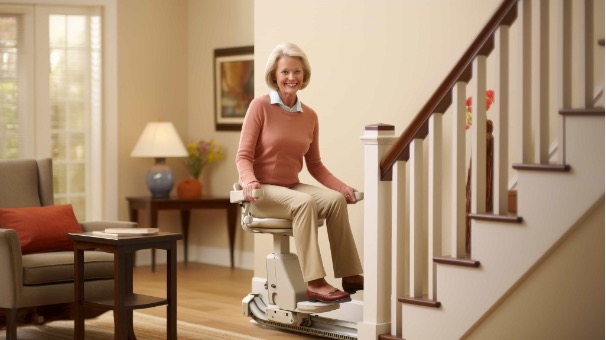
Top home improvement tips for seniors who want to stay in their homes

By John Smythe

Smythe is a freelance writer based in Orlando, Fla.

Edited and fact-checked by editor Ashley Washington

Most seniors would rather stay in their own homes than move to a nursing home. According to the AARP, 90 percent of people over 65 want to remain at home as long as possible, and 80 percent believe they will always live at their current home.

But it’s important to keep in mind that that means making sure your home fits you. As people age, they often suffer from poor mobility or health problems that make it hard to stay. For instance, they may have trouble making it up and down the stairs, or caring for a large yard. Eventually, poor health may force you to leave your home and go elsewhere.

Remaining at home takes planning and effort. There are certain changes, both large and small, that you can make right now to make sure your home will fit your needs for years to come.

Why People Resist Making Changes

Not surprisingly, most homes were not designed with seniors in mind. Why? Many, if not most, of us buy a home when we’re young and stay in them for a long time. But even when people need to make some changes to stay at home, there are three main reasons they might not want to:

  • They don’t want to “medicalize” their home
  • They don’t think they need it now or will need it in the future
  • They worry about the cost

Starting with the first reason, many people are worried that their house will start to look like a nursing home if they start adding ramps, railings, or stair lifts. These things may also be a reminder that you are getting older and losing some mobility, which can be frightening.

But you don’t have to make drastic changes right away. Something as small as moving a rug or adding some no-slip strips to your shower can make a big difference without being too noticeable.

Of course, even drastic changes are better than the alternative. Would you rather your home include a ramp or move to a nursing home that has its own?

Moving to the second reason, people who do not need these changes at the moment wonder why they should bother thinking about it now. Thinking about it would just admit that you’ll struggle in the future.

But if you wait, eventually you might wait too long. Many people only make these adjustments after a crisis. But early changes might have prevented that crisis in the first place. And, if you don’t make these changes, you might have to leave your home, if only temporarily, until these updates are made.

More likely than not, you will need to make these changes eventually. It’s better to start early when you can take the time to plan things properly and can still make some improvements yourself. According to the Centre for Ageing Better, the earlier you start, the more effective these changes can be.

The final obstacle, cost, is the most serious concern. There are local organizations that can help you pay for home improvements. Also, many helpful changes are not very expensive. The more drastic changes, though, can cost more. The important thing to keep in mind is that these expenses are an investment in your future: they will help keep you in your home.

Getting Around Your House

The New River Valley Aging in Place Leadership team has created a workbook designed to walk you through decisions about aging in place. When it comes to your home, most of their advice involves preventing falls and making it easier to get around.

The following changes can make it easier for you:

  • Making sure you have a step-free entrance to your home and flat doorways
  • Removing tripping hazards like mats, floor rugs, and decorations
  • Fixing all carpets firmly to the floor (you can use double-sided tape) and making sure they’re free from wrinkles
  • Installing lever door handles (which are easier to use than doorknobs)
  • Adding secure handrails or railings where necessary
  • Making sure you can easily reach light switches, outlets, or thermostats, including from a seated position
  • Adding nightlights to bedrooms, bathrooms, and hallways to make it easy to walk around at night

Some of these changes, like removing tripping hazards or adding nightlights, you can do right now. Others, like installing lever door handles, will require more effort but should not be too difficult.

There are two more significant things you may want to consider as well:

  • Is there a bedroom, full bath, and kitchen on the first floor?
  • Are your doorways and hallways wide enough for a wheelchair (32 inches for doors and 36 inches for halls)?

You might not be able to fix these things right now, and of course not everyone will need a wheelchair. But, these things may be signs you should consider a backup plan if your home cannot meet your needs one day.

The Stairs: A Common Problem

Having a bedroom, bathroom, and kitchen on the first floor can be important because seniors struggle with stairs more than anything else. In an AARP survey, 35 percent of people who reported a mobility problem said they had the most trouble using the stairs.

Installing a stair lift is always an option in that case. But, there are other small things you can do to keep yourself safe on the stairs:

  • Repairing worn or damaged carpets
  • Adding no-slip strips to uncarpeted stairs
  • Painting the edge of the stairs with a color that stands out so you can clearly see it
  • Installing light switches at the top and bottom of the stairs, so they are always well-lit
  • Adding handrails to both sides of the stairs

Except for installing light switches and adding handrails, you can probably make each of these changes yourself in an afternoon.

The Bathroom: Prevent Slips

Not surprisingly, most of the changes you will want to make in the bathroom are to prevent slips and falls. You can make your bathroom safer by:

  • Adding no-slip strips to your floor, especially in the shower or tub
  • Using rubber, lie-flat bathmats (never use towels or throw rugs)
  • Installing grab bars in the bathtub, shower, and toilet area
  • Replacing any knobs in the shower or sink with lever handles
  • Raising the toilet seat to a comfortable height (you can add a removable seat)
  • Placing a removable seat in the shower/bath, if there is not a seat already.

Again, many of these changes are fairly simple.

If you only have a tub, you may consider replacing it with a walk-in/roll-in shower. That way you can get in and out without stepping. This change will be a bit more expensive, but will prevent falls and make it easier if you need a wheelchair one day.

The Kitchen: Keep Everything within Reach

The changes that your kitchen might need depend on how it is arranged. Mostly, you will want things within easy reach so you don’t need a step stool or to bend down too far.

To check if your kitchen is properly laid out, ask yourself the following questions:

  • Are the cabinets and cupboards easy to open?
  • Can I reach them without a step stool?
  • Is the dishwasher high enough for comfortable loading?
  • Can I reach the stove and counters from a seated position (in case I need a wheelchair)?

Finally, make sure you always have a fire extinguisher nearby. Get it properly inspected, and make sure you know how to use it.

Handling Regular Maintenance

Changing your home to fit your needs is not just about mobility. You should also make sure you can keep up with daily, weekly, monthly, and yearly maintenance. Maintaining a home is much cheaper and safer than repairing one damaged by leaks or plumbing problems.”Half of my business comes from people who just didn’t do regular plumbing maintenance when they should have and then they had to call me when things got out of hand,” says Joe Spano, who owns a plumbing company in Bakersfield, Ca.

The most obvious home maintenance task is cleaning. The larger your house, and the more furniture you have, the more difficult it will be. That’s one reason apartments are becoming more popular with seniors.

Home maintenance also includes your yard: gardening, cutting the grass, trimming trees, and other outdoor chores. It’s important to look at your entire property, inside and outside, to make sure you can keep up with it.

Keep in mind that this will all get more difficult as you age. You can hire someone to take care of these jobs if you cannot do them yourself, but those costs can add up.

There are also less obvious tasks that you probably cannot take care of yourself. That includes things like roof repair, plumbing, or installing major appliances. You will need to consider these costs as well when deciding how long you can remain in your home.

A Caregiver Can Help

Depending on your current home, you might have trouble making all the changes you would need to in order to stay there on your own. In that case, a caregiver can help you with some of the daily tasks necessary for you to age in place.

In studies of seniors living at home, caregiving was one of the best ways to deal with a home that didn’t quite fit their needs. Older adults without access to support or home health services were more likely to end up in a nursing home.

Ideally, you should also ask your caregiver’s opinions on any home modifications. Otherwise, you can end up with cramped bathrooms, narrow showers, or constricted doorways that don’t leave enough space for two people. A trained caregiver can help you spot these problems ahead of time.Overall, finding a quality home health aide can help you stay at home longer, and enjoy greater health.


8 tips for how seniors can minimize falls in, and around, their home

By Peter Patterson

Peterson is a freelance writer based in Boise, Idaho

Edited and fact-checked by managing editor Mark Levy

Falls are a leading cause of injury for seniors, but the good news is that with a few proactive steps, you can make your home a much safer place. A few simple updates and some extra attention to detail can reduce the risk of falls and help you feel more confident navigating your home and yard. Here are some practical, easy-to-implement tips for fall prevention!

1. Clear the Clutter

Start inside your home by reducing clutter in high-traffic areas like hallways, stairs, and living rooms. Clear pathways of unnecessary furniture, cords, and loose rugs. A clear floor is essential for safe navigation and helps reduce tripping hazards.

2. Light It Up

Good lighting can make all the difference when it comes to spotting potential hazards. Make sure each room, hallway, and stairway is well-lit. Consider adding nightlights to your bedroom, bathroom, and hallways to make nighttime trips safer. Motion-sensor lights are also a great option for added convenience.

3. Secure the Stairs

If you have stairs, it’s essential to make them as safe as possible. Install sturdy handrails on both sides of the stairs to provide extra support. Adding non-slip strips to each step and painting the stair edges a contrasting color can help you see the steps more clearly and prevent slips.

4. Focus on the Bathroom

Bathrooms are notoriously slippery, so take extra care here. Install grab bars in the shower, beside the tub, and near the toilet for stability. Use non-slip mats on the floor and in the shower, and consider adding a shower chair if you feel unsteady. These small additions can make a big difference!

5. Choose Safe Footwear

What you wear on your feet around the house matters. Shoes or slippers with non-slip soles are much safer than walking around barefoot or in socks, which can increase the risk of slipping on hardwood or tile floors.

6. Maintain the Outside of Your Home

When it comes to preventing falls, don’t forget about the area outside your home. Walkways, driveways, and patios should be well-maintained. Over time, cracks and holes can develop, posing a serious tripping hazard. Take a look around your yard and driveway, and repair any cracks or uneven surfaces that could lead to a fall. “We often get called to fix a driveway after someone has tripped or fallen due to a crack or pothole,” says Bill Masters, owner of a paving company in Corpus Christi, Texas

7. Rearrange for Ease

Consider rearranging your home’s layout to keep frequently used items within reach. In the kitchen, for instance, store pots, pans, and pantry items in easy-to-reach places so you don’t need to use a step stool. This simple step can prevent accidents and make daily activities easier.

8. Add a Touch of Technology

Today’s tech can help you stay safe, too. Consider installing smart home devices like motion-sensor lights, automatic shut-off appliances, and voice-activated assistants. If you need help, these devices can be programmed to call family or emergency services in case of a fall.

With these adjustments, you can make your home a safer place and keep those pesky falls at bay. It doesn’t take much effort or cost, but the peace of mind it brings is priceless. Enjoy a safer, fall-free environment.

7 Tips and Tricks That Will Make It Easier for Seniors to Use Their Computer

By Bill Wallace

Wallace is a freelance writer based in Boston, Mass.

Edited and fact-checked by assistant editor Peter Mason

For many seniors, using a computer can feel like learning a new language. But with a few adjustments and some helpful tips, computers can become a whole lot friendlier. Whether you’re browsing the internet, emailing family, or managing your photos, these tips and tricks can make your computer experience smoother and more enjoyable.

1. Make Everything Bigger

If text on your screen is hard to read, try adjusting the font size. Most computers let you increase text and icon sizes, which can reduce eye strain and make everything easier to read. On Windows, go to Settings > Ease of Access > Display and adjust the text size. Mac users can go to System Preferences > Accessibility > Display and choose “Zoom.” You can also use the zoom feature on most browsers by pressing Ctrl + (or Cmd + on Mac) to enlarge web pages.

2. Use Voice Commands

Typing can be challenging, but voice commands make things easier! Most modern computers and phones come with built-in voice recognition tools that let you give commands, type messages, or search the internet using just your voice. Windows has Cortana (accessible by typing “Cortana” in the search bar), and Macs have Siri (found in the system preferences). Once activated, simply speak commands like “Open email” or “Search weather forecast,” and your assistant will do the rest.

3. Create Shortcuts to Favorite Websites

If you have certain websites you visit regularly, like your email or news site, create shortcuts to save time. On Windows, right-click on your desktop, select New > Shortcut, then paste the website URL to create a clickable icon. Mac users can drag the web address from their browser onto their desktop. These shortcuts make it easy to get where you need to go with just a click.

4. Set Up Automatic Updates

Keeping your computer’s software updated is essential for both safety and smooth operation. Instead of manually updating your system, turn on automatic updates. On Windows, go to Settings > Update & Security and select “Automatic Updates.” Mac users can enable this in System Preferences > Software Update. This ensures your computer stays up-to-date with security patches and performance improvements without you needing to lift a finger.

5. Organize Your Files and Folders

Managing files can feel overwhelming if everything is scattered across the desktop. To keep things organized, create folders for different categories, like “Photos,” “Documents,” or “Family.” Both Windows and Mac allow you to create folders by right-clicking on the desktop and selecting “New Folder.” Moving items into these folders keeps your desktop tidy and makes it easier to find what you need.

6. Enable High-Contrast Mode

If you have trouble seeing items on your screen, enabling high-contrast mode can help. This feature adjusts colors to make text and icons stand out more. Windows users can find this in Settings > Ease of Access > High Contrast. Mac users can go to System Preferences > Accessibility > Display and check “Increase Contrast.” This simple change can make navigating your computer more comfortable.

7. Use a Larger Mouse Pointer

Small pointers can be hard to follow, but you can increase their size to make them easier to see. In Windows, go to Settings > Devices > Mouse and choose a larger pointer size. On a Mac, go to System Preferences > Accessibility > Display > Cursor to adjust the cursor size.

With these tips, your computer experience can become more accessible, enjoyable, and frustration-free. Give them a try, and you’ll find it easier than ever to stay connected, informed, and entertained.

What You Need to Know About Installing a Chair Lift in Your House

By Jackson Hellig

Hellig is a freelance writer based in Des Moines, Iowa

Edited and fact-checked by associate editor Kerry Weinberg

As we get older, stairs can become a bit more challenging. If your home has stairs, a chair lift might be the perfect solution for maintaining independence while moving between floors safely. Installing a chair lift can feel like a big decision, but understanding what’s involved will make the process smoother and give you confidence. Here’s everything you need to know about adding a chair lift to your home.

1. Types of Chair Lifts

Chair lifts come in several styles to suit different staircases and needs. The most common types include:

  • Straight Stair Lifts: These are designed for stairs with no curves or landings. They’re usually the most affordable and simplest option.
  • Curved Stair Lifts: Custom-made to follow the curve of your staircase, these lifts are ideal for winding staircases. While they’re pricier, they offer a smooth ride up and down curved or angled steps.
  • Outdoor Stair Lifts: Built to withstand weather, outdoor lifts can be installed on exterior stairs, making it easy to reach a porch, garden, or garage.

It’s best to choose the lift that matches your staircase’s design and your mobility needs.

2. Cost Considerations

The cost of a chair lift can vary widely. A simple, straight stair lift might cost between $2,000 to $5,000, while curved lifts can be as high as $10,000 or more due to the custom work required. Outdoor models also tend to be more expensive because they’re built with weather-resistant materials. Installation is typically included in the price, but it’s always a good idea to confirm this with the provider.

If cost is a concern, some companies offer financing, and there may be grants or programs to help cover part of the expense. Medicare usually doesn’t cover chair lifts, but some state and local programs, as well as veteran benefits, may offer assistance.

3. Installation Process

The installation process for most chair lifts is quick and straightforward, often taking only a few hours. The chair lift rail attaches to the stairs, not the wall, so there’s usually no need for extensive home modifications. Once installed, the chair will glide smoothly up and down the rail, operated by a remote control or buttons on the armrest.

Before installation, a technician will visit to measure your stairs and determine the best fit for the lift. If you’re getting a curved lift, they may take detailed measurements to ensure the custom rail is perfect.

4. Safety Features

Modern chair lifts come with a range of safety features to give you peace of mind:

  • Seat Belts: A simple seat belt ensures you’re securely seated during the ride.
  • Swivel Seats: Most lifts have a swivel seat that turns at the top of the stairs, making it safer and easier to get on and off.
  • Obstruction Sensors: If something is blocking the lift’s path, it will automatically stop to avoid accidents.
  • Battery Backup: In case of a power outage, many lifts have a battery backup to ensure you won’t get stuck mid-ride.

5. Maintenance Needs

Most chair lifts are low-maintenance, requiring only a little attention to stay in good shape. Regular cleaning and occasional checks of the track and battery will keep it running smoothly. Many providers offer maintenance plans, giving you one less thing to worry about.

Installing a chair lift can be a great way to stay mobile and safe in your home, especially if stairs have become difficult. From choosing the right lift to understanding safety features, this small addition can make a big difference in daily life, giving you freedom, confidence, and peace of mind.

10 Great Secrets You Need to Know about Aging Well at Home

By Ann Simpson

Simpson is a freelance writer based in New York City

Edited and fact-checked by senior editor Colin Peters

Aging at home is not only comfortable but also empowering. With a few small adjustments, you can continue to enjoy your independence and make the most of each day in the space you love.

 Here are 10 secrets to help you age gracefully and safely in your own home:

1. Stay Active Every Day

Keeping your body moving is key to staying healthy as you age. You don’t need to go to the gym—simple activities like daily walks, stretching, or gentle yoga can keep you strong and mobile. Movement keeps your muscles, joints, and heart healthy, helping you maintain independence longer.

2. Declutter Regularly

A tidy home is a safe home. Regularly clearing out unnecessary items, especially in walkways, reduces tripping hazards. It also makes your space more relaxing and manageable. A good rule of thumb is to keep only what you need and love, and make sure everything has its place.

3. Add Support in Key Areas

Consider installing grab bars in bathrooms, railings on both sides of stairs, and non-slip mats where surfaces are smooth or slick. These additions don’t take away from your independence; they help keep you steady and prevent falls, making aging at home safer.

4. Eat a Balanced Diet

Good nutrition fuels your body and mind, helping you stay energetic and sharp. Aim to include lots of vegetables, fruits, whole grains, and lean proteins in your meals. Healthy fats, like those found in fish and olive oil, are great for brain health. Drinking plenty of water is just as essential, so keep a glass handy throughout the day!

5. Embrace Technology

Technology can make life at home more convenient. Consider using voice-controlled devices for tasks like turning on lights, setting reminders, and even calling family. Telehealth apps make it easy to stay in touch with your doctor, and video calls allow you to stay connected with loved ones.

6. Create a First-Floor Living Space

If stairs are becoming a hassle, think about setting up your main living spaces—like your bedroom, bathroom, and kitchen—on the first floor. This way, everything is within easy reach, reducing the risk of falls and making daily life simpler.

7. Keep a Social Calendar

Staying social is important for mental and emotional health. Schedule regular visits with friends, join community groups, or pick up a hobby that allows you to interact with others. Social connections keep you engaged, help prevent isolation, and boost your overall happiness.

8. Prioritize Sleep

Good sleep is essential to physical and mental well-being. Try to create a calming bedtime routine, like reading or listening to soft music, and keep your bedroom cozy and comfortable. Aim for seven to eight hours of sleep each night to help your body recharge.

9. Check Your Home for Safety

Regularly assess your home for potential hazards. Ensure that rugs are secure, cords are tucked away, and lighting is adequate in all rooms. Outdoors, keep your walkways clear, and make sure the driveway is free from cracks that could cause trips or falls. Simple fixes can make a big difference. “When the the temperature drops from hot to cold and vice-versa driveways and walkways tend to crack and potholes tend to emerge,” Alex Jasten, owner of a concrete paving company in Rapid City, SD. “It makes sense to fix these kind of problems quickly before somebody gets hurt.”

10. Listen to Your Body

Finally, the best way to age well is to tune into your own needs. Pay attention to how your body feels, and rest when you need it. See your doctor for regular checkups, and don’t hesitate to ask for help when something doesn’t feel right. Staying mindful of your health lets you catch issues early and age comfortably at home.

Aging well at home is all about balance, preparation, and a proactive approach to well-being. With these secrets, you can continue enjoying your home, maintaining independence, and making every day count.